ADHD.do
Medication
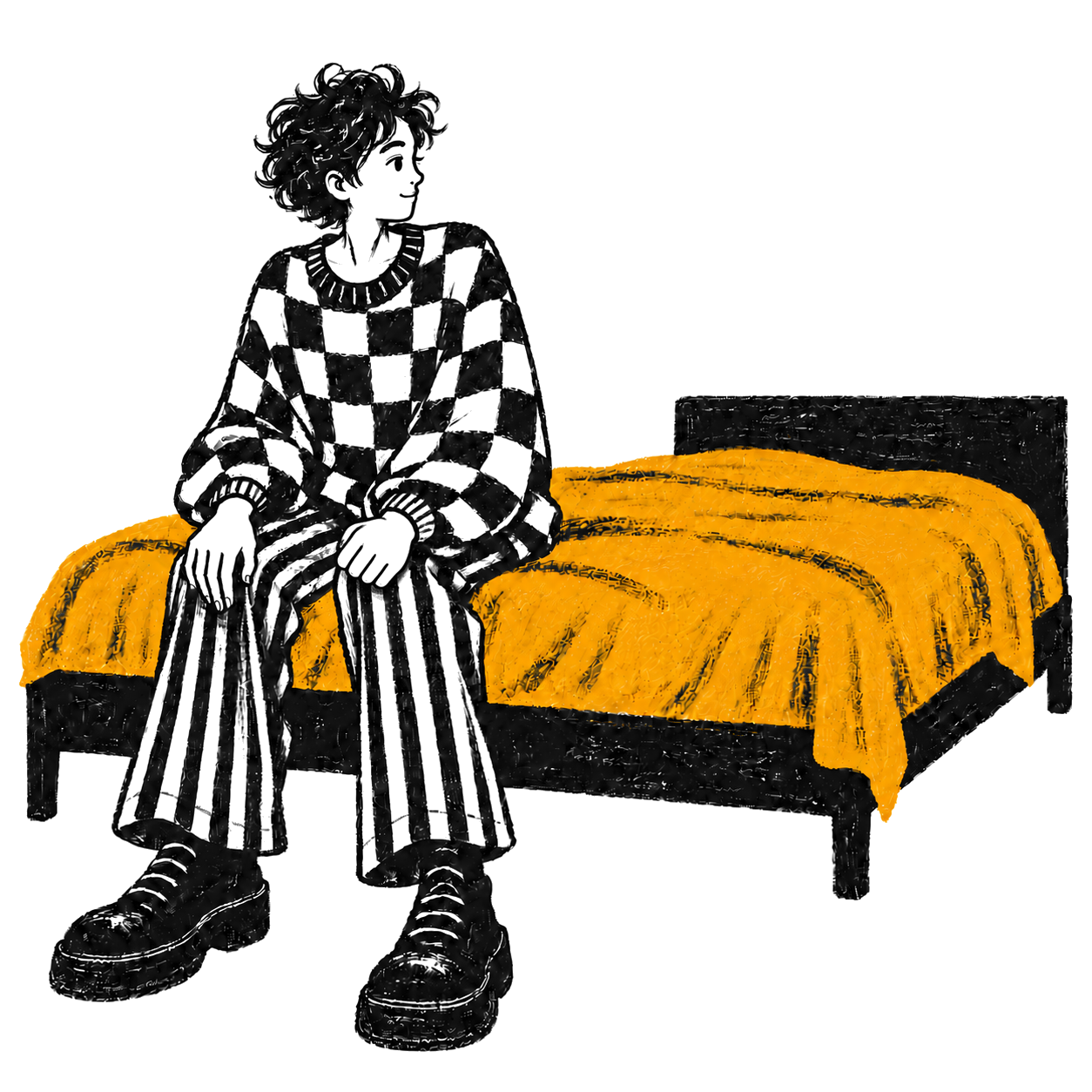
Editorial illustration of an adult in a checkered top and striped trousers sitting on a bed with a mustard blanket, hands resting on their knees.

Sleep with and without stimulants in adults who respond well to ADHD medication

Adults with ADHD who already benefited from stimulant medication tried a week on their usual treatment and a week without it, in a randomly chosen order. They reported less fatigue and rated their sleep-laboratory night more positively while taking medication, and recordings showed fewer interruptions during deep sleep and fewer shifts to lighter sleep. Overall sleep length and time to fall asleep did not differ clearly; the authors stress that this was a small study of selected adults who responded well to treatment.

The team screened 36 adults aged 18–50 whose ADHD had been assessed by psychiatrists in Geneva. Their core ADHD symptoms had already improved by more than half with stimulant treatment. Eleven withdrew and 10 were excluded because sleep testing found a sleep disorder. Of the 15 who entered the trial, one dropped out and one kept taking medication during the planned week without it, leaving 13 in the main analysis, with an average age of about 34. Wrist-monitor results came from 10 people and the sleep-laboratory night rating from 11. The study excluded people with major other psychiatric conditions or identified sleep disorders.
Health
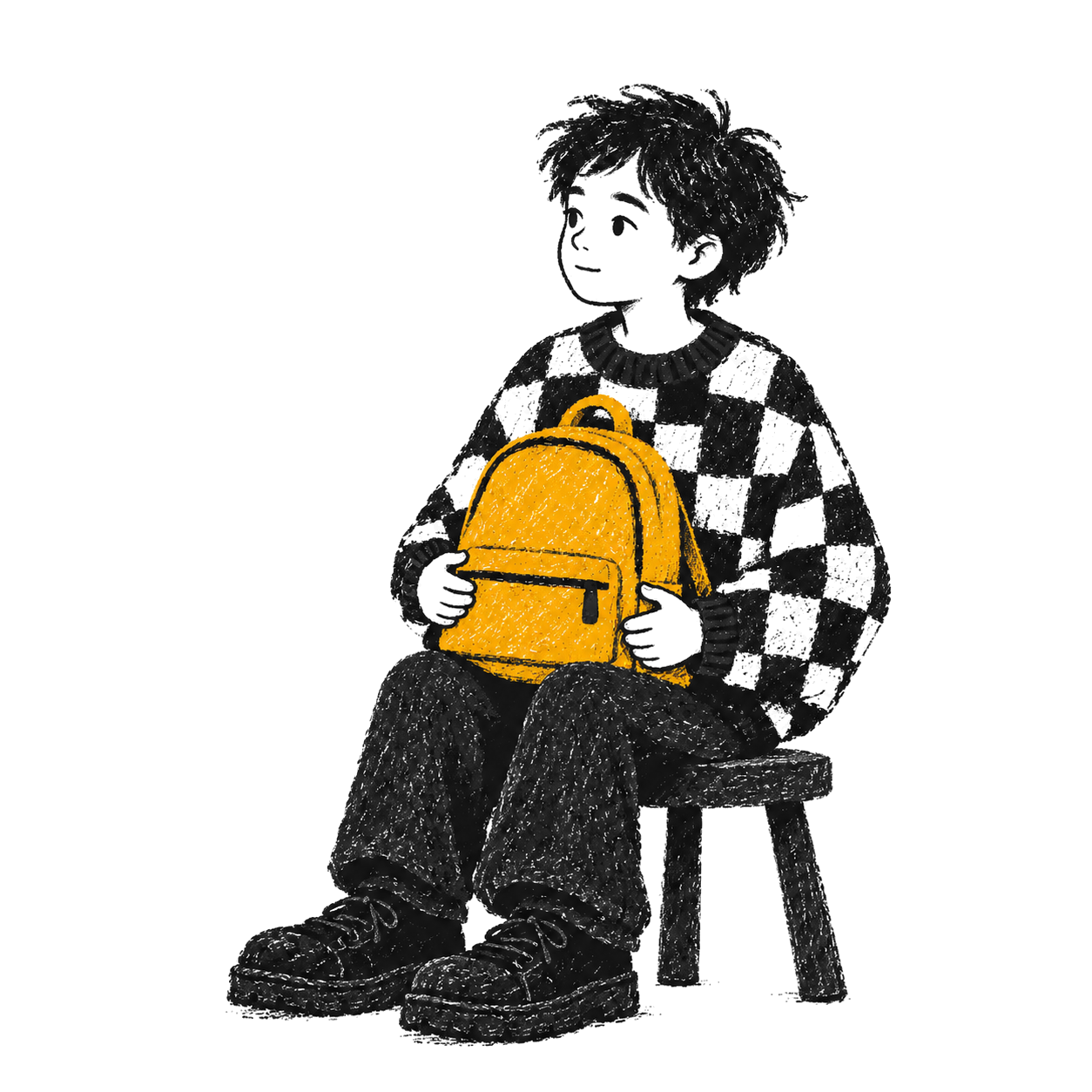
Editorial illustration of a school-age child in a checked sweater sitting on a stool and holding a mustard schoolbag on their lap.

ADHD in children with tic disorders

Children with tic disorders can also have ADHD, and attention and behaviour difficulties can add to problems at school and in daily life. This review brings together research on those difficulties and possible links with inflammation, family surroundings and gut bacteria. The authors recommend looking beyond the tics when assessing a child, while stressing that many of the proposed explanations still need stronger evidence.

The review discusses earlier studies of children with tics and ADHD and cites 25 publications. Examples include a study of 90 children, a comparison with 40 children in each group, and a study using information from 363 children with tic disorders to predict which children also had ADHD.

Living
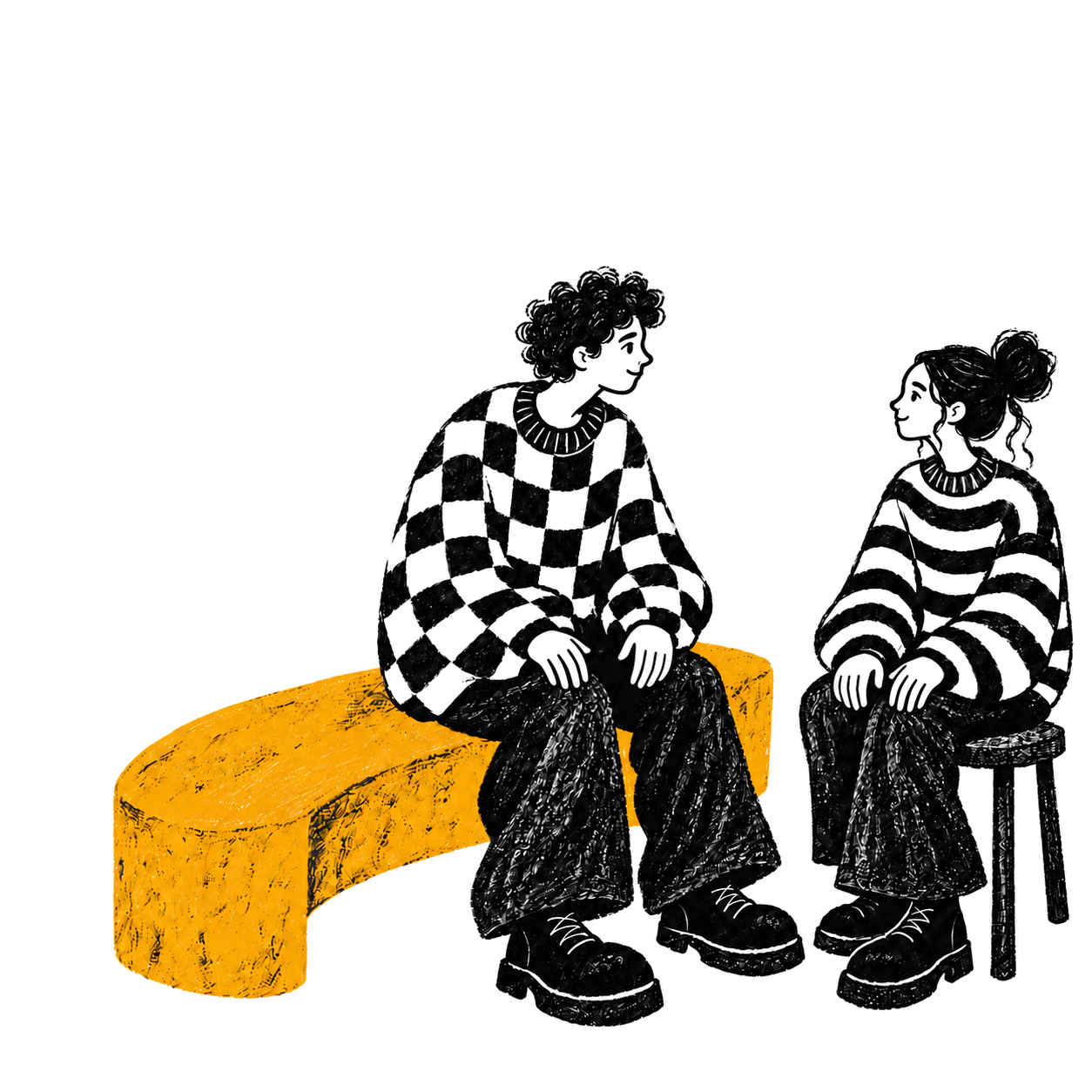
Editorial illustration of two adult students in checked and striped clothing sitting face to face, one on a curved mustard bench and the other on a stool, with their hands resting on their laps.

ADHD symptoms and getting emotional support at university

Students with more ADHD symptoms tended to report fewer occasions when classmates helped them talk through personal problems. This pattern was clearer among bachelor students in the initial analysis and appeared in both groups after existing friendships were taken into account. The author calls these early findings preliminary; everyday face-to-face contact showed a different pattern from emotional support.

38 social-science students at one German university: 23 starting a bachelor’s degree and 15 doing a master’s degree. They completed 657 short surveys over one week. Eight scored at or above the ADHD screening threshold, which the author distinguishes from a clinical diagnosis. The analysis used only interactions between students who took part in the study.

Health
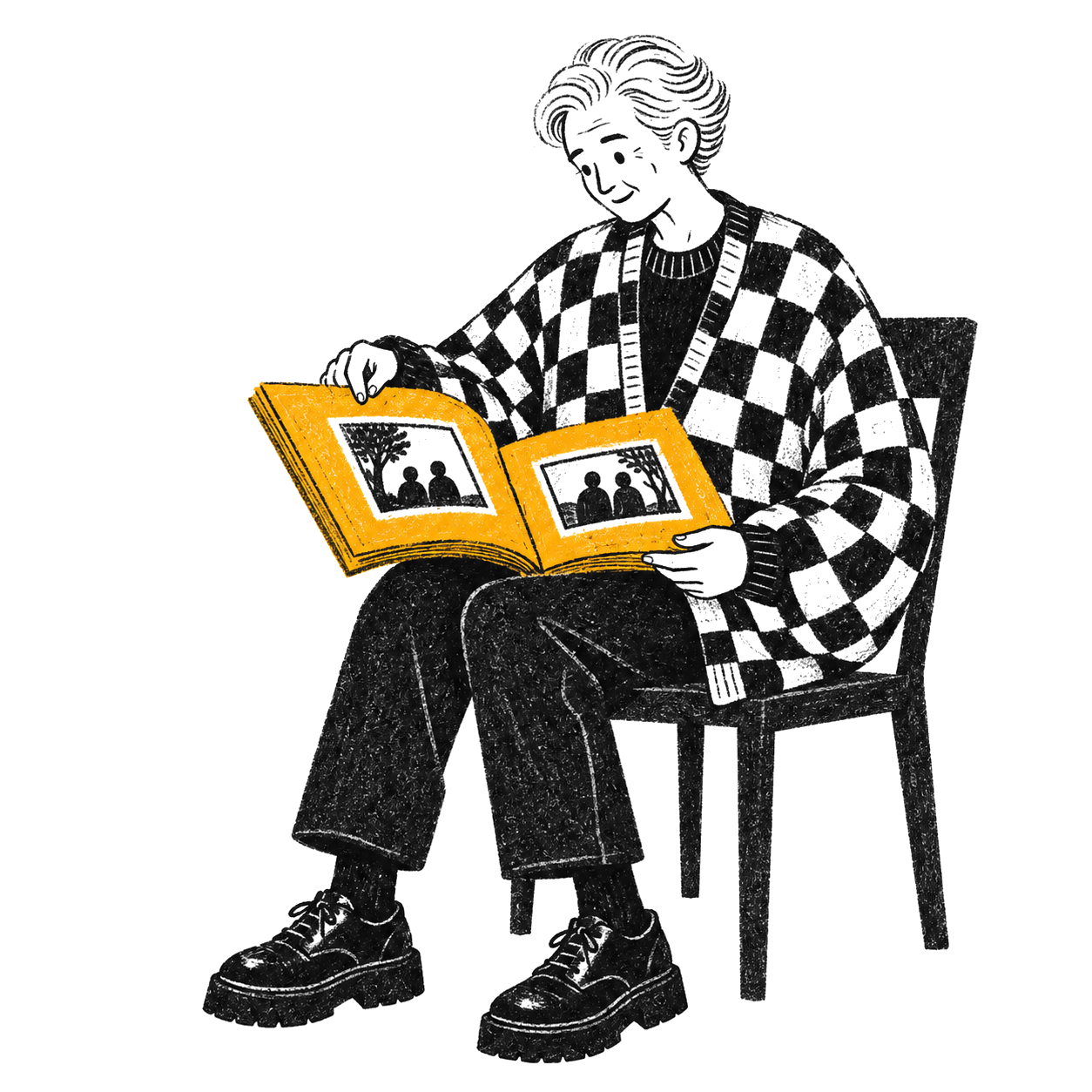
Editorial illustration of an older adult in a checkered cardigan, seated on a chair and looking thoughtfully at an open mustard-colored photo album.

ADHD genetic risk and later-life memory and thinking problems

Among 7,761 older adults who began without cognitive impairment, people with higher genetic-risk scores for ADHD were more likely to develop mild cognitive impairment or Alzheimer’s disease dementia. They also started with lower scores on memory and thinking tests, without evidence that their skills worsened faster over time. The genetic score represents only part of ADHD risk.

The study used data from 7,761 people in eight long-running studies. Everyone was at least 50 and free of cognitive impairment at the starting assessment; the average age was about 71, and 67.7% were women. The same people contributed 38,087 assessments. The median time observed was 5.08 years, with analyses covering up to 10 years. Amyloid-β results were available for 1,146 people. The memory, executive-function and language analyses included 7,757, 7,678 and 7,752 people, respectively.

Biology
Editorial illustration of a thoughtful adolescent in a checkered shirt holding a long mustard ribbon with short contrasting marks and loose folds.

DNA methylation and changing ADHD diagnoses in adolescence

Researchers repeatedly measured DNA methylation, the addition of a small chemical group to DNA, in saliva from children growing into adolescence. Combining everyone with a childhood history of ADHD produced no clear differences from children without ADHD after accounting for the many comparisons, but separating those who still met ADHD criteria from those who no longer did revealed differences at 12 DNA sites. The authors say another independent study should check these findings.

The study followed 94 children and adolescents in Melbourne, Australia, aged 9.5–14.5 years across the study. They provided 219 saliva samples: 63 children contributed at two visits and 31 at three. Of 44 children with a childhood history of ADHD, 25 still met the diagnostic criteria at the final assessment and 19 no longer did; 50 children were in the comparison group without ADHD. ADHD identification involved parent and teacher questionnaires followed by a structured diagnostic interview.

Environment
Editorial illustration of a young teenager in a checker sweater and striped trousers, seated on a stool and thoughtfully holding a mustard-yellow game controller.

How screen time and ADHD symptoms are linked in Canadian children

Children with more ADHD symptoms sometimes went on to spend more time gaming, and children who played more sometimes showed more ADHD symptoms later. This review brings together 10 articles about screen use and children, with a focus on Canada. The authors stress that screen-time reports can be inaccurate and that family circumstances and other factors also matter.

10 articles about children’s screen use. Individual research studies included between 280 and 4,875 children and teenagers; one article was itself a review.

Emotions
A curly-haired young child in a floral top, striped trousers and oversized shoes sits on a stool, looking down at a loosely knotted mustard ribbon held in both hands.

Preschool anxiety, ADHD symptoms, and siblings

In a parent survey of preschool children in Shenzhen, China, 3.6% of only children and 3.3% of children with siblings reached the study’s anxiety screening threshold. The authors described this difference as small. Children whose ratings met the ADHD symptom threshold were more likely to screen positive for anxiety in both groups.

Parents provided usable survey information about 67,779 preschool children in one district of Shenzhen: 46,565 only children and 21,214 children with siblings. Of 71,069 returned questionnaires, 1,596 lacked parents’ education information and 1,694 had other missing or invalid information. The study excluded children with severe physical illnesses or mental disorders. ADHD symptoms were identified from parents’ questionnaire answers.

Health
Editorial illustration of an adult with short wavy hair, a floral jacket and striped trousers, holding a broad mustard-colored accordion-folded strip that extends across the floor.

Studying bipolar disorder alongside ADHD or borderline personality disorder

This paper sets out a year-long study of people with bipolar disorder, comparing an episodic pattern of the condition with bipolar disorder alongside ADHD or borderline personality disorder. Researchers will track how much time people spend with moderate-to-severe symptoms and how their mood changes, together with thinking tests, brain scans and blood tests. They had assessed 110 people at the first visit and were still recruiting toward a target of 150.

At the time of reporting, 110 people had completed the first assessment. The study aims to recruit 150 adults aged 18–70 with bipolar I or II disorder at two Italian university clinics: 50 with an episodic pattern of bipolar disorder, 50 with bipolar disorder and ADHD, and 50 with bipolar disorder and borderline personality disorder. Researchers will check diagnoses through interviews and questionnaires; the ADHD assessment also includes information from a relative or partner. The target includes an allowance for an expected 20% of participants not completing follow-up.

Diagnosis
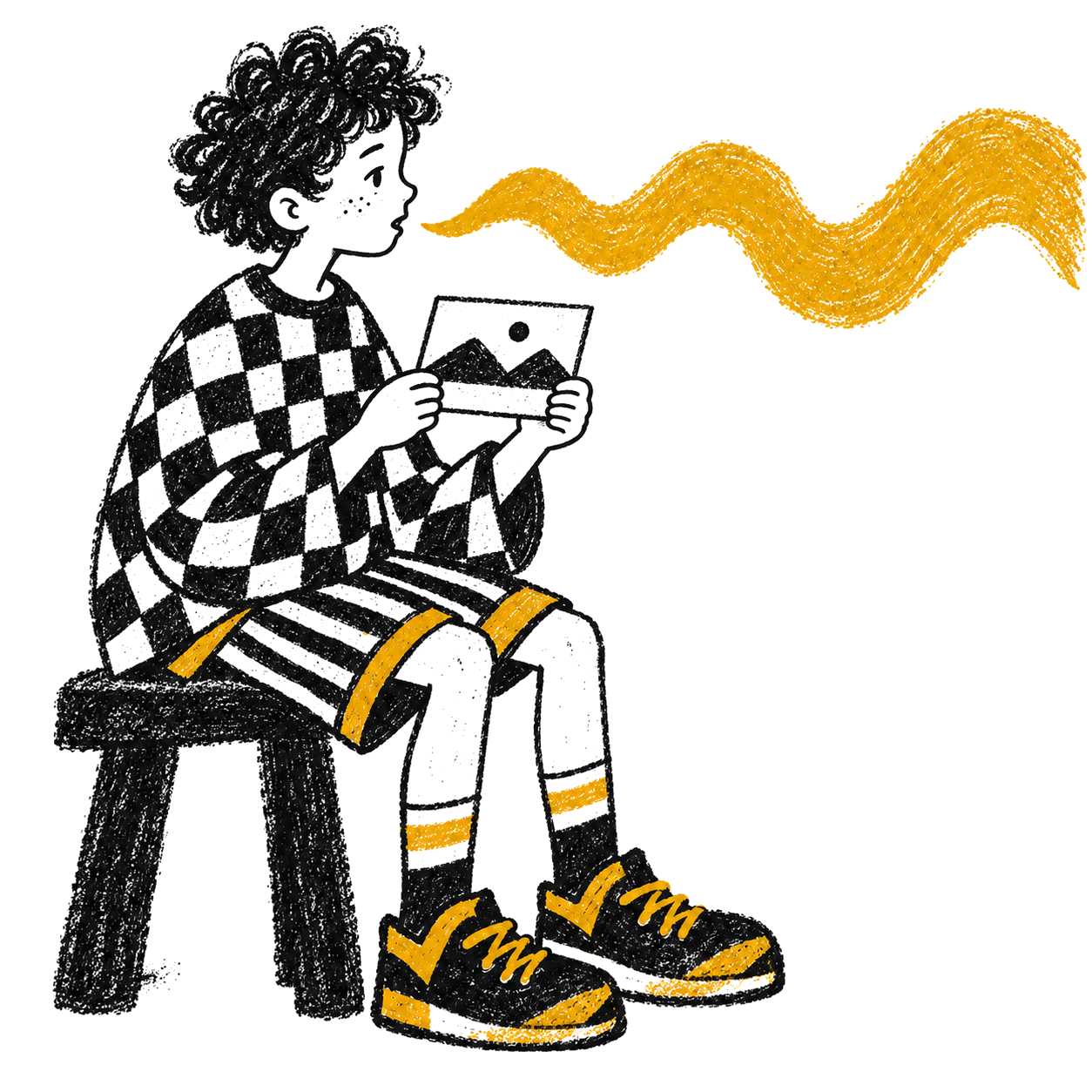
Editorial illustration of a curly-haired child in a checkered top and striped shorts, seated on a stool and holding a picture card beside a broad mustard-colored ribbon.

Voice patterns in children with ADHD before and during methylphenidate treatment

When describing a picture, children with ADHD who were not taking medication had a lower average voice pitch and more variation in pitch than the comparison group. When assessed again while taking prescribed methylphenidate, their voices showed less variation in loudness during an imagined-day task, while a sound measure linked to vowels moved closer to the comparison group's values during picture description. The authors see picture description as promising for further study, while stressing that these voice measures are not an ADHD diagnosis on their own.

The German study included 54 children aged 8–16: 27 with a clinician-confirmed ADHD diagnosis and 27 comparison children. Parents answered a structured set of ADHD questions to check the groups. Three comparison boys whose voices had already changed during puberty were excluded before this 54-child sample was formed. Children with autism or an IQ below 80 were excluded. Twenty-two of the 27 children with ADHD also had another diagnosis, most often depression or anxiety. Forty-seven children had complete voice data at both visits: 24 with ADHD and 23 comparison children. Missing data included two children who stopped medication, technical problems and hoarseness. The analyses used different numbers of recordings; the loudness analysis, for example, included 17 children with ADHD at the first visit and 15 at the second, compared with 24 and 23 comparison children.